



You have two quotes for the same commercial roof. Both say “roof repairs.” One total is lower. Before choosing, check whether both contractors have priced the same work.
Take a simple example: one proposal lists repairs at six identified locations, with photos and removal of the old repair material. The other says “repair leaks as needed.” Those descriptions leave you with different levels of certainty about what you are buying. Ask the second contractor to identify the repair locations and explain the proposed work before comparing the totals.
For Atlanta building owners and property managers, a useful quote comparison starts with a pen and the actual proposals. Mark anything you cannot explain from the paperwork. Those are the questions to send back.
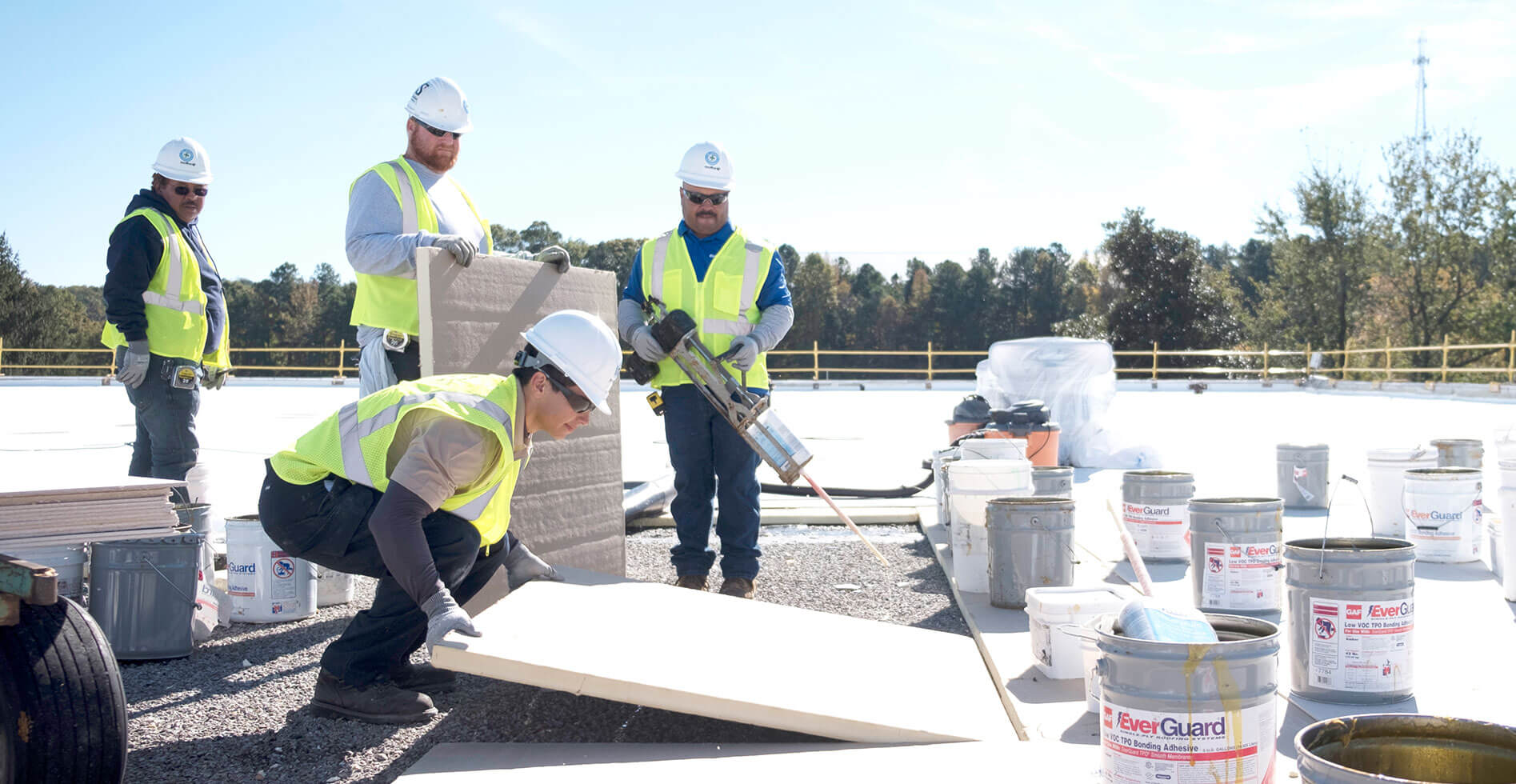
Put the roof areas and proposed work side by side
Check the building address and which sections of the roof are included. If the property has an office roof, a warehouse roof, and a loading canopy, “commercial roof” is not a precise description of the work area.
Then identify what each contractor proposes to do: localized repair, coating or restoration, replacement, or further investigation. A repair proposal and a replacement proposal may both address your complaint, but they are different projects. Ask each contractor what findings led to that recommendation.
Our repair-versus-replacement guide introduces that decision. If roof restoration is proposed, ask which existing materials will remain and what preparation and repairs are included.
Circle “as needed,” “allowance,” and “excluded”
These words deserve a follow-up question. They can identify work that is uncertain, limited, or outside the quoted price.
Suppose a proposal says “replace damaged insulation as needed.” Ask how much replacement the price includes, how additional work would be priced, and how you would be notified before that work proceeds. If the answer is that the condition cannot be established yet, ask what investigation is needed and how that uncertainty will be handled in the proposal.
Also check whether removal, disposal, roof-edge work, and work around rooftop equipment are included where relevant to the project. An item missing from the description should be clarified, not assumed to be included.
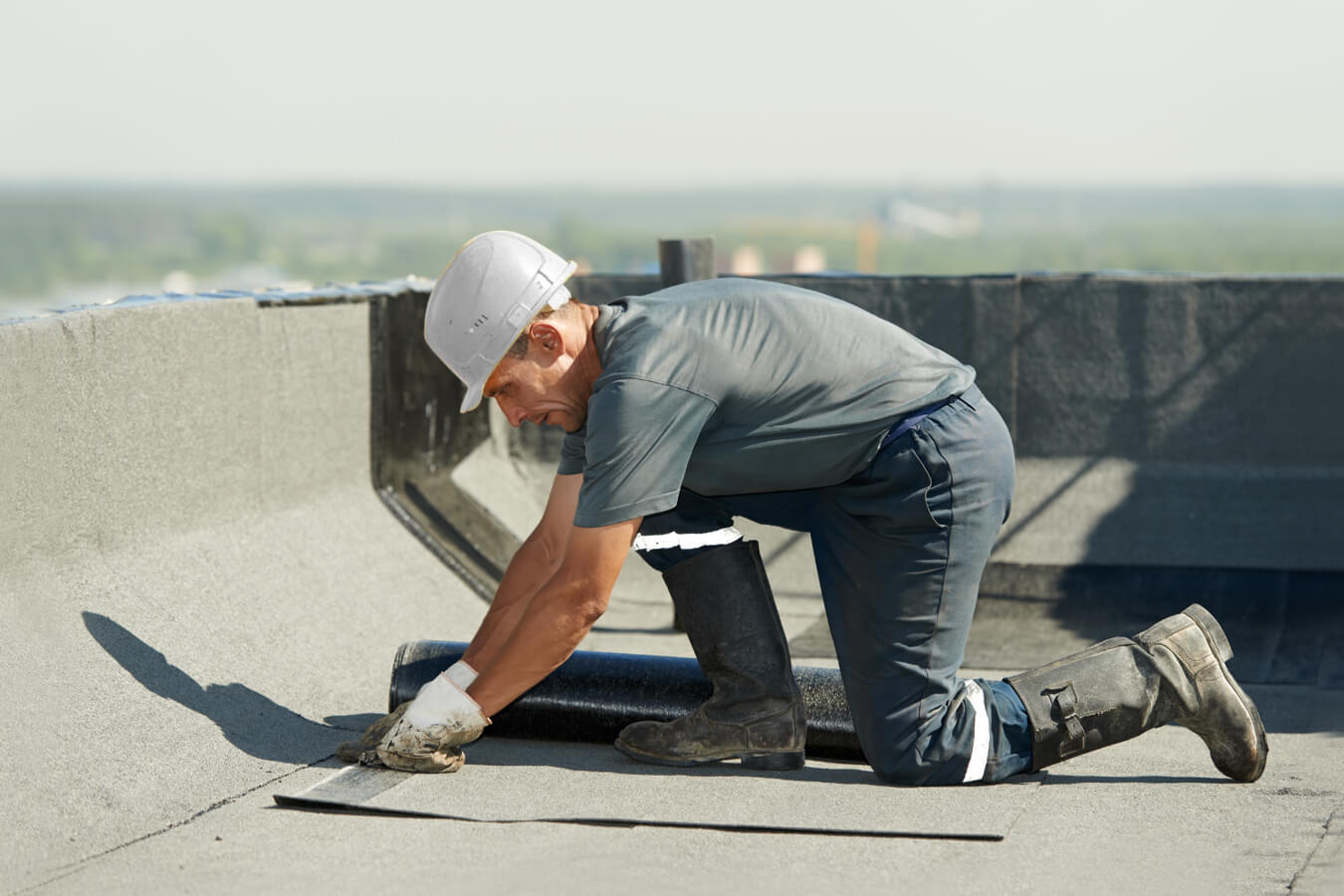
Read the warranty document, not just the number of years
Ask who provides each warranty, what it covers, what it excludes, and what the owner must do to maintain it. If both a contractor warranty and a manufacturer warranty are offered, request the terms for each. Confirm which documents you would receive at completion.
The National Roofing Contractors Association recommends reviewing written work descriptions, scheduling and payment details, and warranty conditions when selecting a contractor. A warranty term on the front of a proposal is only the starting point for that review.
Include the cost of working around your building
A proposal should be considered alongside the building’s operating requirements. Ask where deliveries and waste containers would go, which entrances must stay open, and who will coordinate with tenants or other contractors.
If your warehouse receives trucks every morning, put that constraint in writing. If tenant access limits the available work hours, ask whether the proposed schedule accounts for it. Get an estimated start date, duration, and an explanation of what could affect the schedule.
Check the payment schedule too. Write down when each payment is due and the milestone it relates to, where one is specified.
Use one comparison sheet for both proposals
Make a column for each contractor and fill in these five rows. Use the proposal’s wording. Write “not stated” wherever you cannot find an answer.
- Work area and method: Which roof sections, which repairs or system, and what preparation?
- Included and additional work: What is covered by the total, what is excluded, and how are uncertain quantities handled?
- Site arrangements: Access, deliveries, disposal, tenant coordination, and estimated timing.
- Warranty and completion documents: Who provides them, what they cover, and when you receive them.
- Price and payment: Quoted total, identified allowances, payment dates or milestones, and how proposed changes are approved.
Send each contractor the unanswered questions. Ask for the clarifications in the written proposal so you can refer back to them. A phone conversation may resolve a question, but it is easy for an important detail to disappear between the call and the final paperwork.
Get a quote for your Atlanta-area commercial roof
If you are planning roof work, contact Alpha Commercial Roofing with the property address and the issue you need assessed. For help preparing the initial request, use our commercial roof inspection checklist.

